
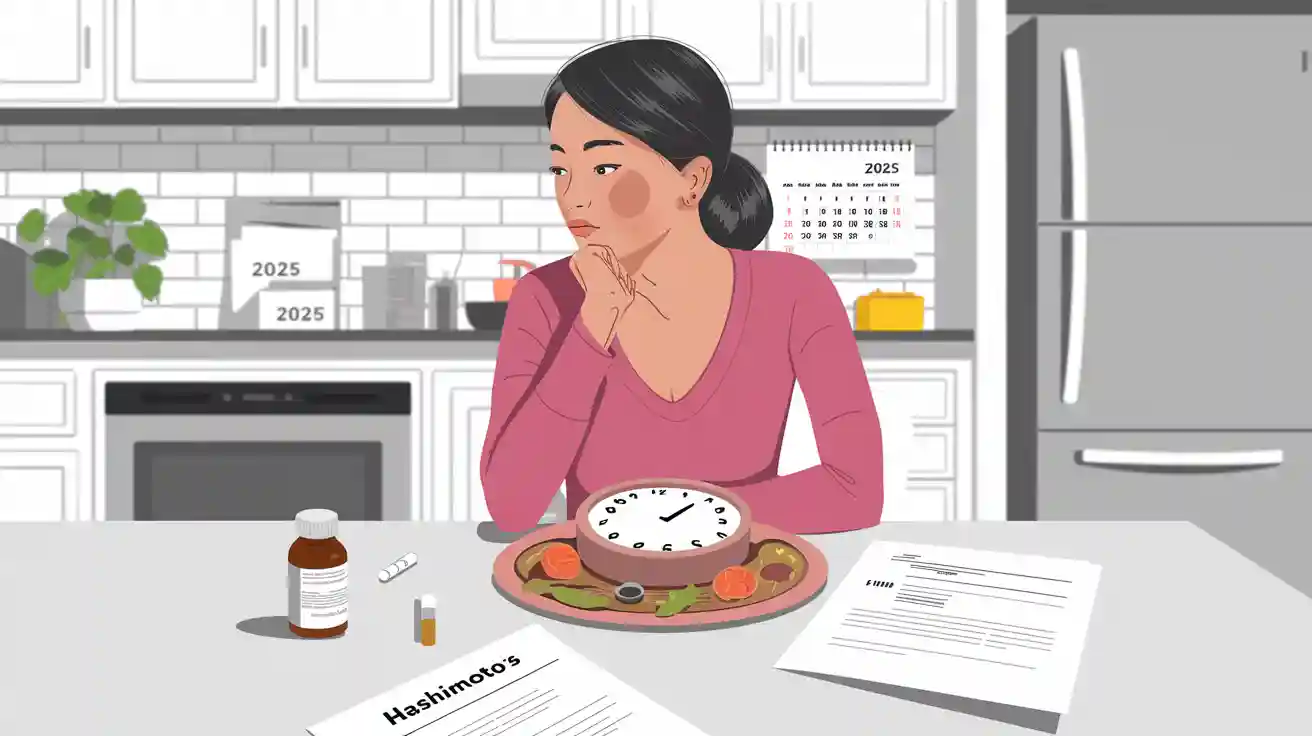
Intermittent Fasting can be risky if you have Hashimoto’s Disease. You might have hormone problems, feel more tired, or not get enough nutrients. You could also have trouble with your thyroid medicine. Some people see changes in thyroid hormone levels, low blood sugar, or mood swings when fasting. Others may need to change their medicine because fasting affects TSH levels. You should always look for the main cause and talk to a trusted doctor before trying new ways of eating. At Sprouts Health, you get help that looks at your whole health story.
Key Takeaways
Intermittent fasting can change hormones and make you tired if you have Hashimoto’s, so you need to be careful and watch yourself. Fasting might help lower swelling, but it can also cause you to not get enough nutrients and mess with how your thyroid medicine works. Look out for signs like feeling very tired, losing hair, mood changes, or feeling cold, and stop fasting if these problems get worse. Work with your doctor to change when you take your medicine and get blood tests often to keep your thyroid healthy. You can try safer eating plans like gluten-free or anti-inflammatory diets that help your thyroid without the risks of fasting.
Intermittent Fasting and Hashimoto’s

Thyroid Function Basics
Your thyroid gland sits at the front of your neck. It makes hormones that control how your body uses energy. These hormones help keep your heart, brain, and muscles working well. They also help you stay warm and keep your weight steady. In children, thyroid hormones help with normal growth.
Hashimoto’s Disease is an autoimmune condition. Your immune system attacks your thyroid gland by mistake. This attack causes swelling and can make your thyroid work less well over time. You may notice symptoms like:
Feeling tired all the time
Gaining weight even if you eat the same
Feeling cold when others do not
Dry skin and hair loss
Trouble with memory or mood
Irregular periods
Doctors check for Hashimoto’s by looking at your symptoms and running blood tests. They often check for high TSH, low free T4, and thyroid antibodies. If you have Hashimoto’s, you may need to take thyroid hormone medicine every day.
Tip: If you notice new symptoms or changes in how you feel, tell your healthcare provider. Regular lab checks help you and your doctor keep track of your thyroid health.
How Fasting Affects Hormones
When you try intermittent fasting, your body goes without food for set periods. This change can affect your hormones, including those from your thyroid. Here is what happens:
T3, a key thyroid hormone, drops quickly in the first 24 hours of fasting. This drop is usually short-term. T3 levels return to normal after you eat again.
TSH and T4, other important thyroid hormones, usually stay the same during fasting. Your thyroid keeps working, even when T3 goes down for a short time.
Some studies show that intermittent fasting may help lower inflammation and stress in your body. This can be good for people with Hashimoto’s, since inflammation can make symptoms worse.
Fasting may also help your gut health by increasing good bacteria. A healthy gut can support your immune system and may help with autoimmune conditions.
If you take thyroid medicine, fasting can sometimes change how your body absorbs it. You may need to adjust your medicine or the time you take it. Always talk to your doctor before making changes.
Note: Intermittent fasting does not cure Hashimoto’s Disease. It may help with some symptoms, but you need to watch for changes in your energy, mood, or lab results. Always work with your healthcare provider to find what works best for you.
Risks
Hormonal Imbalance
When you have Hashimoto’s, your thyroid already struggles to keep hormone levels steady. Intermittent fasting can make this harder. Fasting changes how your brain and thyroid talk to each other. Your body may lower TSH (thyroid-stimulating hormone) and slow down the conversion of T4 to T3, which is the active thyroid hormone. Sometimes, your body makes more reverse T3, which does not help your cells use energy. These changes can slow your metabolism and make you feel colder or more tired.
Fasting can also cause your body to become more resistant to insulin for short periods. This means your blood sugar may not stay as steady as usual.
Your fat tissue also responds to changes in TSH, which can affect how your body uses energy.
Most endocrinologists do not recommend prolonged fasting for people with Hashimoto’s. Your thyroid needs a steady supply of nutrients and regular meals to work its best.
Fatigue and Stress
You may already feel tired if you have Hashimoto’s. Fasting can make this worse. When you eat less often, your body slows down to save energy. This can lead to more fatigue and sluggishness. Some people notice they have less energy and feel more worn out during fasting periods.
Aspect | What Happens During Fasting |
|---|---|
Energy Levels | Your body slows metabolism, which can make you feel more tired. |
Stress Hormones | Fasting can raise cortisol, a stress hormone. High cortisol can make you feel anxious or stressed and may lower thyroid hormone production. |
Brain Function | Some people feel more clear-headed, but others get more brain fog or trouble focusing. |
Inflammation | Fasting may lower inflammation, but if you feel worse, it may not be helping your thyroid. |
If you notice more fatigue, mood swings, or trouble thinking, these may be signs that fasting is not right for you.
Nutrient Deficiency
Your thyroid needs certain nutrients to work well. When you fast, you have less time to eat and may not get enough vitamins and minerals. Important nutrients for thyroid health include iodine, zinc, selenium, and iron. If you miss these, your thyroid may slow down even more.
Eating in a short window can make it hard to get all the nutrients you need.
You may also miss out on protein, which helps your body repair and build tissues.
Low levels of these nutrients can make Hashimoto’s symptoms worse.
Try to eat a variety of foods and talk to your healthcare provider about checking your nutrient levels.
Medication Absorption
If you take thyroid medicine like levothyroxine, timing matters. Your body absorbs this medicine best when your stomach is empty. Fasting can make it tricky to find the right time to take your pill.
You should take levothyroxine at least 30 to 60 minutes before eating.
If you eat right after taking your medicine, your body may not absorb it well.
Some people take their medicine at bedtime, at least two hours after their last meal, to help with absorption.
Calcium and iron supplements can also block your medicine, so keep them at least four hours apart.
If you change your eating schedule, talk to your doctor about the best time to take your medicine. Regular lab checks can help make sure your thyroid levels stay in a healthy range.
Tip: Always let your healthcare provider know if you plan to start or change fasting. They can help you adjust your medicine and check your thyroid levels to keep you safe.
Warning Signs

Red Flags
You need to watch for certain signs that show your body is not handling fasting well. These warning signs often mean your thyroid is under stress or not working as it should. If you notice any of these changes, your body may be telling you to slow down or stop.
Feeling tired all the time, even after a good night’s sleep
Gaining weight or finding it hard to lose weight, especially around your waist
Losing more hair than usual or seeing your hair become thin
Feeling cold when others feel comfortable
Getting irritable or upset easily, especially when you miss meals
Craving sugary foods or caffeine more than before
Feeling shaky, nervous, or anxious when you have not eaten
Having trouble thinking clearly or feeling like your mind is foggy
These symptoms can happen because fasting slows your thyroid, increases reverse T3, and lowers important nutrients like selenium, zinc, and iron. Stress from fasting can also make your thyroid work less well.
When to Stop
You should stop fasting if you notice your symptoms getting worse or if new problems appear. Pay close attention to your body and how you feel each day. If you start to feel more tired, anxious, or have strong cravings, it may be time to take a break. Some people also notice shakiness, brain fog, or mood swings. These are signs your body needs more support.
Always talk to your healthcare provider if you see these changes. You may need to adjust your eating plan or your thyroid medicine. Regular check-ins with your provider help keep your thyroid healthy and prevent bigger problems. Remember, your health comes first. Intermittent Fasting is not right for everyone, especially if you have Hashimoto’s Disease.
Safe Practices
Fasting Alternatives
You do not have to fast to help your thyroid. Many people with Hashimoto’s feel better with other eating plans. You can try a gluten-free diet or an autoimmune protocol. Some people use an anti-inflammatory meal plan. These choices help lower swelling and help your immune system. Some people also do well with lactose-free or whole-food diets. Each plan has its own good points, so pick what works for you.
Dietary Strategy | Evidence Type | Summary of Benefits and Findings |
|---|---|---|
Gluten-free diet | 6-month clinical study (34 women) | Lowered thyroid antibodies, better thyroid function, and higher vitamin D than the control group. |
Autoimmune Protocol (AIP) | 10-week clinical study (16 women) | Quality of life got better and inflammation went down. |
Lactose-free diet | Observational data | May help with stomach issues, thyroid health, and medicine absorption for people who cannot have lactose. |
Anti-inflammatory diet | Study of 218 women | Less stress in the body and lower inflammation with more fruits and veggies. |
Whole-food diet | Observational and clinical insights | Eating fewer processed foods and sugars helps with weight and symptoms. |

Medication Timing
It is important to know when to take your thyroid medicine. If you change when you eat, you might need to change when you take your pill. Take your thyroid pill when your stomach is empty. Most people take it in the morning, at least 30 minutes before breakfast. If you fast at night, take your medicine early and wait before eating. Keep calcium and iron pills away from your thyroid pill by four hours. If you feel tired or have brain fog, tell your doctor. You might need more blood tests or a new dose. Tell your care team before you start fasting or a new diet.
Take thyroid medicine with no food in your stomach.
Keep supplements away from your thyroid pill.
Tell your doctor about new symptoms.
Get regular thyroid blood tests.
Lab Monitoring
You should check your thyroid often, especially if you change your food. Important blood tests are TSH, Free T3, and Free T4. These tests show how your thyroid is working. You may also need to check blood sugar, insulin, HbA1c, and cortisol. These tests show how your body handles food and stress. Plan to get blood work every 6 to 8 weeks when you start a new way of eating. Do not take Biotin before your test because it can change your results. Regular blood checks help you and your doctor make good choices and keep your thyroid healthy.
If you work with a holistic doctor like Sprouts Health, you get a plan made just for you. You get help for your gut, nutrients, and stress. This way helps you feel better and keeps your thyroid strong.
If you have Hashimoto’s, intermittent fasting can be risky for you. You might have hormone changes, feel more tired, or miss important nutrients.
Some studies say fasting may lower swelling, but it is not clear if it helps Hashimoto’s.
If you do not fast the right way, you could have less nutrients and your hormones might change.
Doctors say you should get lab tests often and have a plan made just for you.
Why Individualized Care Matters | How It Helps You |
|---|---|
Functional medicine finds the main cause of problems | You get a plan that matches your body and how you live |
Checking your thyroid often helps spot issues early | You can fix problems fast and keep your health steady |
To stay healthy, work with a holistic doctor like Sprouts Health. This way helps you take care of your thyroid and feel better.
FAQ
Can you do intermittent fasting if you have Hashimoto’s?
You can try intermittent fasting, but you should talk to your doctor first. Fasting may cause hormone changes or make you feel worse. Your thyroid needs steady support. Always check your symptoms and lab results.
What are the main risks of fasting with Hashimoto’s?
You may face hormone imbalances, more fatigue, or nutrient shortages.
How do you know if fasting is harming your thyroid?
Watch for new or worse symptoms. These include tiredness, hair loss, feeling cold, or mood swings. > If you notice these signs, stop fasting and talk to your healthcare provider.
What is a safer way to support your thyroid without fasting?
You can eat balanced meals at regular times. Try a gluten-free or anti-inflammatory diet. Focus on whole foods and avoid processed snacks. > A steady meal plan helps your thyroid work better.