

Eating Protein is vital for your body when you have Hashimoto’s. Your body needs protein to build cells and make hormones like T3 and T4, which help your thyroid work well. Without enough protein, you may feel tired, lose muscle, or have gut issues that do not go away with rest. Many people with Hashimoto’s face these problems:
Symptom | Percentage / Description |
|---|---|
Muscle Loss | Up to 80% of people with thyroid disorders have muscle-related disorders, including muscle wasting. |
Gut Issues | 66.7% of participants in a gut recovery program experienced improvement in diarrhea symptoms. |
Fatigue | Fatigue is very common and can be very hard to manage, even with sleep. |
You can support your thyroid, boost your energy, and feel stronger by making protein a regular part of your meals.
Key Takeaways
Eating enough protein helps your thyroid make important hormones that control your energy and metabolism.
Protein supports your muscles, boosts your immune system, and helps repair your gut, which is important for people with Hashimoto’s.
Aim for 20 to 30 grams of protein at every meal to keep your body strong and your metabolism steady.
Choose a mix of animal and plant proteins, and include gut-friendly options like bone broth to get the nutrients your thyroid needs.
Plan simple meals and snacks with good protein sources to feel more energetic and support your thyroid health every day.
Learn more about how Sprouts Health approaches thyroid symptoms, low ferritin, nutrient concerns, and digestive health with focused, personalized care.
Explore Gut + Thyroid HealthEating Protein and Thyroid Health
Hormone Production
Your thyroid needs protein to work well. Proteins help build the cells in your thyroid gland. They also help your body make hormones like T3 and T4. These hormones control how your body uses energy. One important protein, called thyroglobulin, acts as a base for making thyroid hormones. Tyrosine, an amino acid from protein, is a key part of this process. Your thyroid adds iodine to tyrosine to create T3 and T4. Without enough protein, your body cannot make these hormones properly.
Thyroglobulin provides tyrosine for hormone creation.
Iodine attaches to tyrosine to form T3 and T4.
Carrier proteins like TBG, transthyretin, and albumin move these hormones through your blood.
If you do not get enough protein, your thyroid may not make enough hormones. This can lead to tiredness and other symptoms of Hashimoto’s.
Metabolism Support
Eating Protein helps your body keep a healthy metabolism. Your metabolism is how your body turns food into energy. Thyroid hormones play a big role in this process. When you eat enough protein, your body can make more thyroid hormones. This helps keep your metabolism steady. L-tyrosine, found in protein-rich foods, is needed for your thyroid to make T3 and T4. If you do not get enough tyrosine, your thyroid hormone levels can drop. This can slow down your metabolism and make you feel sluggish.
Tip: Try to include a source of protein at every meal to support your energy levels and metabolism.
Immune and Gut Health
Hashimoto’s is an autoimmune disease. Your immune system attacks your thyroid by mistake. Eating Protein helps your immune system work better. Glutamine, another amino acid from protein, helps repair your gut lining. A healthy gut can lower inflammation and help your immune system stay balanced. If your gut is not healthy, you may have more inflammation and feel worse. Studies show that people with low protein intake often have higher TSH levels, which means their thyroid is under more stress. Getting enough protein can help keep your TSH in a healthy range.
Amino Acid | Role in Hashimoto’s |
|---|---|
L-tyrosine | Needed for thyroid hormones |
Glutamine | Repairs gut lining |
Some people worry that eating too much protein can harm their kidneys or bones. Research shows that this is not true for healthy people. Protein helps keep your bones strong and does not cause kidney problems unless you already have kidney disease.
Eating Protein supports your thyroid, metabolism, and immune system. It also helps repair your gut, which is important for people with Hashimoto’s.
Protein Needs
Daily Recommendations
You need enough protein each day to help your body work well with Hashimoto’s. Experts suggest you aim for at least 20-30 grams of protein at every meal. This amount supports your muscles and helps your metabolism stay strong. Eating Protein at each meal gives your thyroid the building blocks it needs to make hormones. You do not have to count every gram, but try to include a good source of protein with breakfast, lunch, and dinner. Lean meats, eggs, fish, and beans are all great choices.
Tip: If you feel tired or notice muscle loss, check if you are getting enough protein at each meal.
Influencing Factors
Your protein needs can change based on your age, activity level, and health. If you exercise often, your body may need more protein to repair and build muscle. Older adults sometimes need extra protein to keep their muscles strong. If you are sick or recovering from illness, your body uses more protein to heal. People with Hashimoto’s often have higher needs because their bodies work harder to keep up with hormone changes. Talk to your doctor or a dietitian if you are unsure how much protein you need.
Factor | How It Affects Protein Needs |
|---|---|
Age | Older adults may need more |
Activity Level | More exercise = more protein |
Health Status | Illness or recovery increases need |
Tracking Intake
You can use simple ways to track your protein each day:
Use your palm to estimate: one palm-sized portion is about 30 grams of protein.
Try a macro tracking app, like Carbon Coach, to log your meals and learn what 30 grams looks like.
Prep meals with recipes that list protein amounts.
Choose high-quality animal proteins when possible.
Add protein shakes or smoothies with collagen or protein powder for a quick boost.
These methods help you meet your daily protein goals and support your thyroid health.
Best Protein Sources
Animal vs. Plant
You have many choices when it comes to protein. Animal-based proteins, such as eggs, fish, and meat, give you all the essential amino acids your body needs. These complete proteins support your thyroid and help your body build and repair tissues. Most plant-based proteins, like beans and lentils, do not have every essential amino acid. You can still get enough by eating a variety of plant foods, but you need to plan your meals carefully. Some plant proteins, such as soy, may also affect how your thyroid medicine works, so talk to your doctor if you eat a lot of soy.
Nutrient Density
The best protein sources also give you important nutrients for thyroid health. Animal proteins often provide more selenium, zinc, iron, and tyrosine, which your thyroid needs to work well. Plant proteins offer these nutrients too, but sometimes in smaller amounts or forms that are harder for your body to use. The table below shows where you can find these nutrients:
Nutrient | Animal Protein Sources | Plant Protein Sources |
|---|---|---|
Selenium | Fish, meat, eggs | Brazil nuts, seeds |
Zinc | Meat, shellfish, dairy | Beans, nuts, seeds |
Iron | Red meat, fish, eggs | Beans, spinach, seeds |
Tyrosine | Beef, salmon, dairy | Tofu, beans, seeds |
Choosing unprocessed proteins like lean meats, fatty fish, and eggs gives you more of these nutrients. People with Hashimoto’s who eat more of these foods often see better energy, less inflammation, and improved thyroid function.
Gut-Friendly Options
Some proteins help your gut heal and work better. Collagen and bone broth stand out for people with Hashimoto’s. These foods contain gelatin, glycine, and glutamine, which help repair your gut lining and reduce leaky gut. They also support healthy skin and joints, which can be a concern with thyroid issues. Adding bone broth or collagen-rich foods to your meals can help your digestion and support your immune system.
Tip: Eating Protein from a mix of animal and plant sources, along with gut-friendly options like bone broth, helps you get the nutrients your thyroid and gut need.
Adding Protein to Meals

Easy Meal Ideas
You can boost your protein intake by planning each meal around a quality protein source. For breakfast, try a smoothie with protein powder, almond butter, and spinach. Lunch could be a stuffed avocado with chicken salad. Dinner might include baked fish with roasted vegetables and rice. These meals help you reach the recommended 25-30 grams of protein per meal. Adding healthy fats like avocado or olive oil and a variety of vegetables supports your thyroid and reduces inflammation.
Meal | Example Dish | Protein Source(s) | Approximate Protein (g) |
|---|---|---|---|
Breakfast | Apple Cinnamon Smoothie | Protein powder, almond butter, flaxseed, spinach | 20 |
Lunch | Stuffed Avocado with Chicken Salad | Shredded chicken breast | 30 |
Dinner | Baked Tilapia with Roasted Veggies & Rice | Baked tilapia | 35 |
Simple Recipes
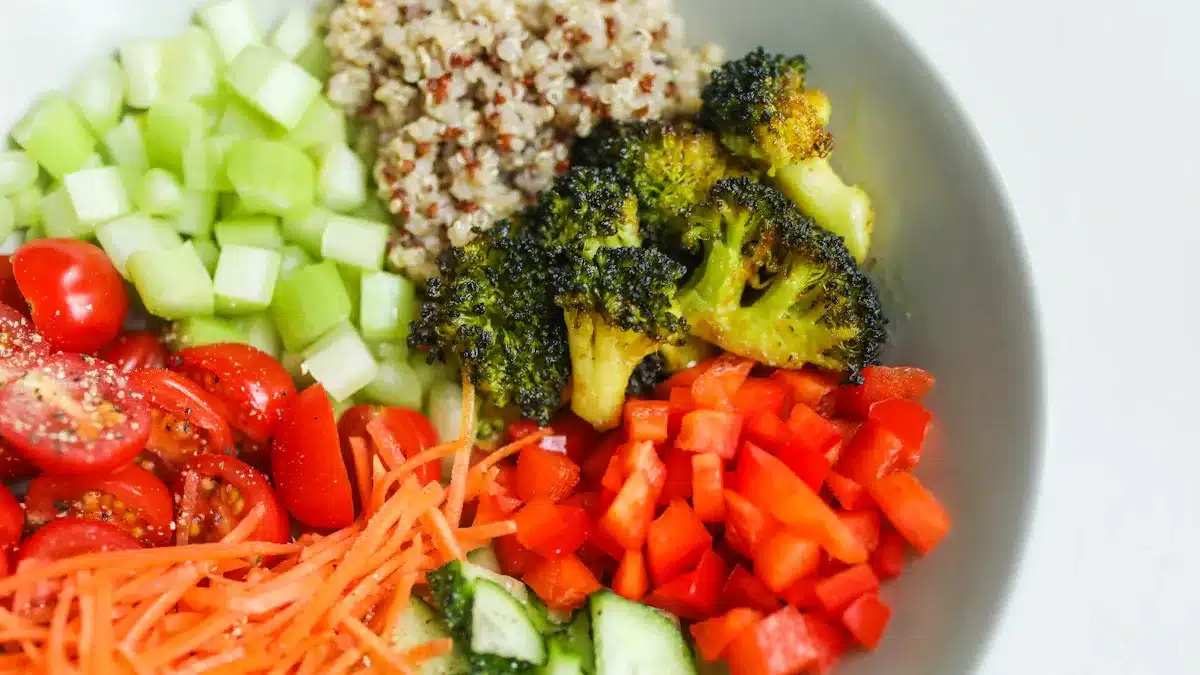
You do not need complicated recipes to meet your protein goals. Swap chicken for turkey or fish in your favorite dishes. Try a Berry Blast Smoothie with dairy-free protein powder for breakfast. For lunch, make a Mediterranean Chicken Bowl with grilled chicken, quinoa, and vegetables. Dinner can be baked cod with sweet potato and broccoli. Snacks like Greek yogurt with chia seeds or cottage cheese with sunflower seeds add extra protein. These simple meals help you reach about 100 grams of protein daily.
Tip: Eating Protein at every meal and snack helps you feel full and supports muscle health.
Balanced Eating
Pairing protein with nutrient-dense, anti-inflammatory foods is key for managing Hashimoto’s. Fill half your plate with colorful vegetables and the other half with lean proteins and healthy carbs. Add healthy fats like olive oil or nuts. Include foods rich in selenium and zinc, such as fish, Brazil nuts, and pumpkin seeds. Use anti-inflammatory spices like turmeric and ginger in your cooking. This balanced approach supports your thyroid, reduces inflammation, and helps you feel your best.
Eating enough protein helps you manage Hashimoto’s by supporting your thyroid, building muscle, and keeping your energy steady. You can see benefits like better metabolism, improved immune health, and easier weight control when you meet your protein needs:
Improved thyroid function and metabolism
Stronger muscles and more energy
Better appetite control and immune support
You should talk with a healthcare professional to find the best protein sources for your needs. Small, steady changes—like adding more lean meats, fish, or plant proteins—can make a big difference for your thyroid and immune health over time. You have the power to support your well-being with every meal!
Start with a Hormone & Gut Clarity Session to review your symptoms, history, previous testing, and the most important next steps for your care.
Book Your Clarity SessionFAQ
How much protein should you eat if you have Hashimoto’s?
Most people with Hashimoto’s do well with 20–30 grams of protein per meal. This amount helps your body build muscle and make thyroid hormones. You may need more if you exercise or are older.
Can you get enough protein on a vegetarian or vegan diet?
Yes, you can. Eat a mix of beans, lentils, tofu, nuts, and seeds. Combine different plant proteins to get all the amino acids your body needs.
Tip: Try pairing beans with rice or hummus with whole grain bread for complete protein.
Does eating too much protein harm your thyroid?
No, eating more protein does not harm your thyroid if you have healthy kidneys. Protein supports your thyroid and helps your body repair tissues. Always talk to your doctor if you have kidney problems.
What are the best snacks for boosting protein intake?
You can choose snacks like:
Greek yogurt with berries (if you are not intolerant to dairy)
Hard-boiled eggs
Cottage cheese with seeds (if you are not intolerant to dairy)
Turkey or chicken slices
Protein shakes (Grassfed beef protein is my fav at the moment)
These snacks help you reach your daily protein goals and keep your energy steady.
© 2020-2026 Sprouts Health, LLC. All rights reserved. Privacy Policy | Medical Disclaimer | Notice of Privacy Practices