

Mold illness affects millions of people worldwide, often causing respiratory problems, fatigue, and neurological symptoms. You may encounter it in damp or poorly ventilated spaces, where mold thrives. The impact of mold exposure is significant:
Around 4.6 million asthma cases in the U.S. are linked to mold and dampness in homes.
Nearly 93% of chronic sinus infections are attributed to mold exposure.
Infants exposed to mold face a threefold higher risk of developing asthma.
Understanding these risks can help you recognize symptoms early and take steps to protect your health.
Key Takeaways
Mold sickness can cause bad health, like breathing trouble and tiredness. Spotting symptoms early helps with better treatment.
Wet and stuffy places are perfect for mold to grow. Checking often and fixing problems quickly can stop mold-related health issues.
Using machines to remove moisture and letting air flow better can lower indoor wetness. This reduces the chance of mold in your house.
Picking mold-proof items, like special paint and walls, can keep wet areas safe from mold. Don’t use carpets in wet places to avoid problems.
Asking experts for mold cleanup and health advice can help treat mold sickness and support getting better.
Symptoms of Mold Illness
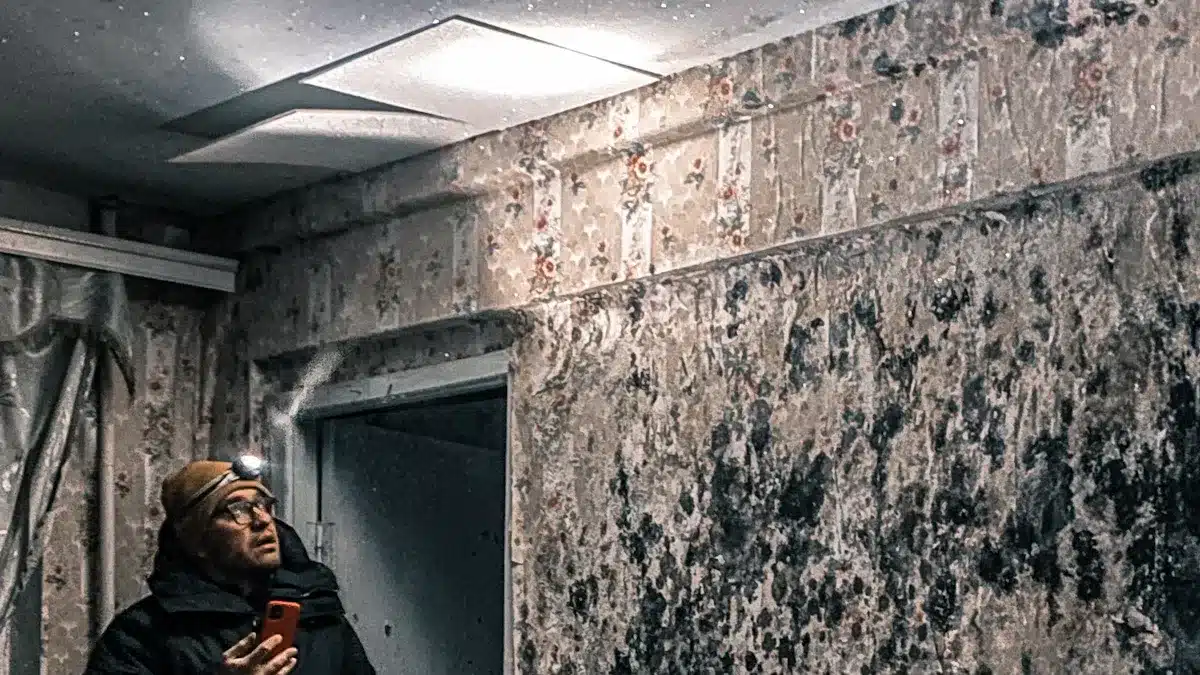
Mold illness can manifest through a variety of symptoms, affecting different parts of your body. These symptoms often fall into three main categories: physical, neurological, and systemic effects.
Physical Symptoms
Respiratory issues: coughing, wheezing, shortness of breath
Exposure to mold often triggers respiratory problems. You may experience coughing, wheezing, or even difficulty breathing. These symptoms are especially common in damp indoor environments. The following table highlights the association between mold exposure and respiratory symptoms:
Symptom Type | |
|---|---|
Upper Respiratory Tract Symptoms | Linked to damp indoor environments and mold. |
Lower Respiratory Tract Symptoms | Associated with cough and wheeze due to mold exposure. |
Asthma Symptoms | Linked to damp environments and mold in sensitized individuals. |
Skin irritation: rashes, itching, or redness
Mold exposure can also affect your skin. You might notice rashes, redness, or persistent itching. These reactions occur when your skin comes into direct contact with mold spores or allergens.
Nasal congestion and sinus infections
Mold exposure often leads to nasal congestion or sinus infections. If you frequently experience a stuffy nose or sinus pressure, mold in your environment could be the culprit.
Neurological Symptoms
Brain fog and memory problems
Mold illness can impact your brain. You may feel mentally sluggish or have trouble remembering things. This condition, often referred to as brain fog, can make daily tasks more challenging.
Headaches or migraines
Frequent headaches or migraines are another common symptom. Mold exposure can irritate your nervous system, leading to persistent discomfort.
Mood changes, such as anxiety or depression
Mold exposure doesn’t just affect your body; it can also influence your emotions. You might feel more anxious, irritable, or even depressed. These mood changes often occur alongside other neurological symptoms.
Systemic Effects
Chronic fatigue and low energy levels
Mold illness can leave you feeling drained. Chronic fatigue is a hallmark symptom, making it hard to stay active or focused throughout the day.
Digestive issues, such as nausea or bloating
Your digestive system may also suffer. Symptoms like nausea, bloating, or abdominal pain are not uncommon in individuals exposed to mold.

Immune system dysfunction, leading to frequent infections
Mold exposure can weaken your immune system. This makes you more susceptible to infections and other illnesses. The table below outlines some systemic effects linked to mold exposure:
Category | Symptoms |
|---|---|
Psychiatric | Anxiety, fear, panic attacks, mood swings, irritability, anger, OCD, hallucinations, suicidal thoughts |
Cognitive | Decreased short-term memory, difficulty concentrating, brain fog, Alzheimer’s dementia |
Musculoskeletal | Muscle aches, joint pain, morning stiffness |
Cardiovascular | Palpitations, vasculitis, edema |
Respiratory | Shortness of breath, chronic cough, sinus congestion |
Neurological | Headaches, migraines, tremors, vertigo, seizures |
Digestive | Abdominal pain, diarrhea, nausea |
Other | Multiple chemical sensitivity, Mast Cell Activation Syndrome |
Recognizing these symptoms early can help you address mold illness before it worsens. If you notice any of these signs, consider evaluating your environment for potential mold exposure.
Causes of Mold Illness
Understanding the causes of mold illness can help you identify and address potential risks in your environment. Mold thrives in specific conditions, and several factors contribute to its growth and the health problems it causes.
Environmental Factors
Damp indoor spaces, such as basements or bathrooms
Mold grows quickly in damp areas like basements, bathrooms, or kitchens. These spaces often have high humidity levels, creating the perfect environment for mold to thrive. Water damage from leaks or flooding can accelerate this process, allowing mold to develop within 24-48 hours.
Poor ventilation in homes or workplaces
Poorly ventilated spaces trap moisture, increasing the likelihood of mold growth. Without proper airflow, dampness lingers, creating a breeding ground for mold spores. This can lead to respiratory issues, as shown in studies linking damp environments to asthma, coughing, and wheezing.
Health Outcome | Association Type |
|---|---|
Statistically significant | |
Cough | Statistically significant |
Wheeze | Statistically significant |
Upper respiratory symptoms | Statistically significant |
Water damage or leaks that promote mold growth
Leaky roofs, pipes, or windows can introduce moisture into your home. This moisture seeps into walls, floors, and ceilings, providing an ideal habitat for mold. Regular inspections and prompt repairs can help prevent mold-related health risks.
Common Mold Types and Sources
Aspergillus: found in dust, soil, and decaying materials
Aspergillus is a common mold type found indoors and outdoors. It often grows on dust, soil, or decaying organic matter. Prolonged exposure can lead to respiratory problems, especially in individuals with weakened immune systems.
Stachybotrys (black mold): often grows on wet wood or drywall
Stachybotrys, commonly known as black mold, thrives on materials like wet wood or drywall. It produces mycotoxins that can cause severe health issues, including chronic fatigue and neurological symptoms.
Cladosporium: thrives on fabrics and carpets
Cladosporium is another common mold that grows on fabrics, carpets, and even HVAC systems. It can trigger allergic reactions, such as sneezing, itchy eyes, and skin irritation.
Individual Risk Factors
Weakened immune systems or chronic illnesses
If you have a weakened immune system or a chronic illness, you are more vulnerable to mold illness. Mold exposure can lead to invasive respiratory infections in severely immunocompromised individuals.
Health Condition | Association with Mold Exposure |
|---|---|
Sufficient evidence of link | |
Asthma symptoms in sensitized persons | Sufficient evidence of link |
Invasive respiratory infections | Sufficient evidence in immunocompromised persons |
Allergies or asthma that increase sensitivity to mold
Pre-existing allergies or asthma can heighten your sensitivity to mold. Studies show that damp environments significantly increase the prevalence of respiratory symptoms, with odds ratios suggesting a 40% to 80% rise in asthma diagnoses.
Prolonged exposure to moldy environments
Long-term exposure to moldy spaces increases your risk of developing mold illness. This is especially true in homes or workplaces with visible dampness or poor ventilation.
How Mold Illness is Diagnosed
Diagnosing mold illness involves evaluating your symptoms, medical history, and environmental exposure. Healthcare providers use a combination of clinical assessments and diagnostic tests to identify the condition accurately.
Medical History and Symptom Evaluation
Reviewing exposure to mold-prone environments
Your doctor will begin by asking about your living or working conditions. They may inquire about damp areas, water damage, or visible mold in your surroundings. These questions help identify potential sources of mold exposure.
Identifying patterns in symptoms
You may be asked to describe your symptoms and when they occur. For example, if your symptoms worsen in specific locations or during certain times, this could indicate mold exposure. Patterns like persistent respiratory issues or chronic fatigue often guide the diagnostic process.
Diagnostic Tests
Urine mycotoxin tests to detect mold toxins
Urine mycotoxin tests aim to detect toxins produced by mold in your body. However, these tests have limitations. Scientific evidence suggests they should not be used as the sole diagnostic tool. Instead, they should complement other clinical evaluations.
Blood tests for immune response markers
Blood tests can measure your immune system’s response to mold. These tests often look for IgE antibodies, which indicate mold sensitization. Unfortunately, the sensitivity and specificity of these tests are not well-standardized. Allergens used in testing may also vary in quality, making results less reliable.
Environmental testing to identify mold in living spaces
Environmental testing involves analyzing air or surface samples from your home or workplace. This process identifies mold types and concentrations. If mold is detected, it confirms the need to address environmental factors contributing to your symptoms.
Note: Diagnostic methods for mold illness have limitations. For example, immunodiagnostic tests lack standardization and should be interpreted cautiously. Always combine test results with a thorough medical history and physical examination.
Evidence of Association | |
|---|---|
Upper respiratory tract symptoms | Linked to nasal congestion and throat irritation caused by damp environments and mold. |
Lower respiratory tract symptoms | Associated with coughing and wheezing due to mold exposure. |
Asthma symptoms | Strongly linked to mold exposure in sensitized individuals. |
Hypersensitivity pneumonitis | Found in a small proportion of susceptible individuals. |
Invasive fungal infections | Occurs in severely immunocompromised individuals. |
Fungal colonization | Linked to chronic pulmonary disorders. |
By combining these diagnostic approaches, healthcare providers can better understand your condition and recommend appropriate treatment.
Treatment Options
Addressing mold illness effectively requires a combination of strategies to eliminate exposure, support your recovery, and seek professional assistance when necessary.
Eliminating Mold Exposure
Identifying and removing mold from the home
The first step in treatment involves removing mold from your environment. Inspect areas prone to dampness, such as basements, bathrooms, and kitchens. Use mold removal products or hire professionals to clean affected surfaces. Fix leaks and improve drainage to prevent future growth.
Using air purifiers to reduce airborne mold spores
Air purifiers equipped with HEPA filters can help capture mold spores in your home. Place them in high-risk areas to improve air quality. Regularly clean and maintain these devices to ensure their effectiveness.
Supporting Health and Recovery
Anti-inflammatory diets to reduce symptoms
Your diet plays a crucial role in recovery. Focus on antioxidant-rich foods like berries, leafy greens, and nuts to combat inflammation caused by mold exposure. Avoid processed foods and sugar, which can worsen symptoms. Thoughtful dietary choices can speed up your body’s detox process.
Liver detoxification to eliminate toxins
Your liver works hard to remove mold toxins from your body. Support this process by staying hydrated and consuming natural detoxifiers like activated charcoal and other binders. These binders prevent mycotoxins from being reabsorbed in your gut.
Sinus care, such as nasal rinses or sprays
Mold exposure often affects your sinuses. Use saline nasal sprays or rinses to flush out mold spores and reduce congestion. This simple practice can provide significant relief from respiratory symptoms.
Treatment Type | Description |
|---|---|
Detoxification | Use glutathione and N-acetylcysteine (NAC) to enhance mycotoxin elimination. |
Immune Support | Incorporate echinacea to bolster immune function. |
Anti-inflammatory Diet | Emphasize antioxidant-rich foods to combat inflammation caused by mold. |
Professional Help
Consulting mold remediation specialists
If mold persists, consult a remediation specialist. These professionals assess your home, identify hidden mold, and safely remove it. Their expertise ensures thorough cleanup and reduces the risk of recurrence.
Working with healthcare providers for tailored treatment plans
Many doctors lack training in mold-related illnesses. Seek specialists familiar with mold illness to create a personalized treatment plan. Functional medicine practitioners often use strategies like probiotics and stress reduction techniques to support recovery.
Source | Key Findings |
|---|---|
CDC Report | Highlights the importance of professional judgment in mold remediation. |
NIEHS | Provides training for safe and effective mold cleanup. |
Mold Statistics | Shows the need for specialists in diagnosing and treating mold illnesses. |
By combining these approaches, you can address mold illness comprehensively and improve your overall health.
Prevention Tips
Preventing mold growth in your home or workplace is essential for maintaining a healthy environment. By controlling humidity, improving ventilation, and conducting regular inspections, you can significantly reduce the risk of mold-related issues.
Controlling Humidity
Using dehumidifiers to maintain indoor humidity below 50%
Dehumidifiers play a vital role in keeping indoor humidity levels between 30% and 50%. This range significantly reduces the likelihood of mold growth. Research shows that dehumidifiers not only control humidity but also lower airborne mold spores, creating a healthier indoor space.
Maintaining indoor humidity below 50% prevents moisture buildup.
Dehumidifiers effectively reduce mold spores in the air.
Fixing leaks and ensuring proper drainage
Leaks and poor drainage create damp conditions that encourage mold growth. Regularly inspect your home for leaks in roofs, pipes, and windows. Addressing these issues promptly prevents water from seeping into walls or floors, reducing the risk of mold proliferation.
Improving Ventilation
Installing exhaust fans in bathrooms and kitchens
Exhaust fans help remove moisture from areas prone to dampness, such as bathrooms and kitchens. These fans improve air circulation, reducing humidity levels and preventing mold growth.
Description | |
|---|---|
Air Intake | Draws in stale, polluted air containing humidity and mold spores from various areas of the home. |
Air Exchange | Expels stale indoor air outside while bringing in fresh outdoor air, ensuring a clean air flow. |
Moisture Reduction | Lowers indoor humidity levels, particularly in damp areas, reducing the likelihood of mold growth. |
Continuous Operation | Maintains a steady exchange of air to ensure optimal indoor air quality at all times. |
Opening windows to increase airflow
Opening windows allows fresh air to circulate, reducing trapped moisture. Improved airflow lowers humidity levels and helps prevent mold from settling on surfaces. This simple step can make a significant difference in maintaining a mold-free environment.
Regular Inspections and Maintenance
Checking for signs of water damage or mold growth
Routine inspections help you detect water damage or mold early. Professional inspections often use advanced technology to identify hidden plumbing issues, preventing structural damage and mold growth.
Early detection protects your property value.
Inspections prevent costly repairs by addressing problems promptly.
Cleaning and drying wet areas promptly
Wet areas, such as spills or leaks, should be cleaned and dried immediately. Mold can begin to grow within 24-48 hours in damp conditions. Regular cleaning removes mold spores and prevents them from spreading.
Preventive Measure | Description |
|---|---|
Improved Ventilation | Enhances air circulation, reducing moisture levels that promote mold growth. |
Humidity Control | Keeping indoor humidity below 60% significantly lowers the chances of mold proliferation. |
Regular Cleaning and Maintenance | Routine cleaning helps remove mold spores and moisture, preventing growth. |
By following these prevention tips, you can create a healthier living space and reduce the risk of mold-related health problems.
Avoiding carpets in damp spaces
Carpets in damp areas create the perfect environment for mold. They trap moisture, dirt, and dust, which mold spores feed on. If you have a basement or another area prone to dampness, consider using hard flooring materials like tile, vinyl, or sealed concrete instead. These materials are easier to clean and do not retain moisture.
For spaces where you still want a soft surface, opt for washable rugs. These can be cleaned and dried regularly, reducing the risk of mold buildup.
Flooring Type | Mold Resistance Level | Maintenance Effort |
|---|---|---|
Tile | High | Low |
Vinyl | High | Low |
Sealed Concrete | High | Low |
Carpet | Low | High |
Note: If you already have carpets in damp areas, use a dehumidifier to keep the humidity low and vacuum frequently to remove mold spores.
Mold illness can significantly impact your health, causing respiratory, neurological, and systemic symptoms. Environmental factors like dampness and poor ventilation often lead to mold growth, but individual vulnerabilities also play a role. Addressing mold exposure early is crucial. For example, studies show that damp environments contribute to millions of asthma cases, especially in children. Prevention strategies, such as improving ventilation and controlling humidity, can reduce these risks. By recognizing symptoms, seeking timely treatment, and maintaining a mold-free environment, you can protect your well-being and prevent long-term health issues.
FAQ
What are the first signs of mold illness?
You might notice respiratory symptoms like coughing or nasal congestion. Fatigue and skin irritation, such as rashes or itching, are also common early signs. These symptoms often worsen in damp environments.
Can mold illness affect mental health?
Yes, mold exposure can impact your mental health. You may experience brain fog, memory problems, or mood changes like anxiety and depression. These symptoms often accompany physical effects.
How can you test for mold in your home?
Work with a knowledgeable IEP (Indoor Environment Specialist). ERMI testing is one of the tests used to see the mold imprint in the house/living or working space.
Is mold illness reversible?
Yes, with proper treatment and by eliminating mold exposure, you can recover. Supporting your health with anti-inflammatory diets and detoxification methods can speed up the process.
How quickly does mold grow in damp areas?
Mold can start growing within 24-48 hours in damp conditions. Address leaks and dry wet areas immediately to prevent mold from spreading.