
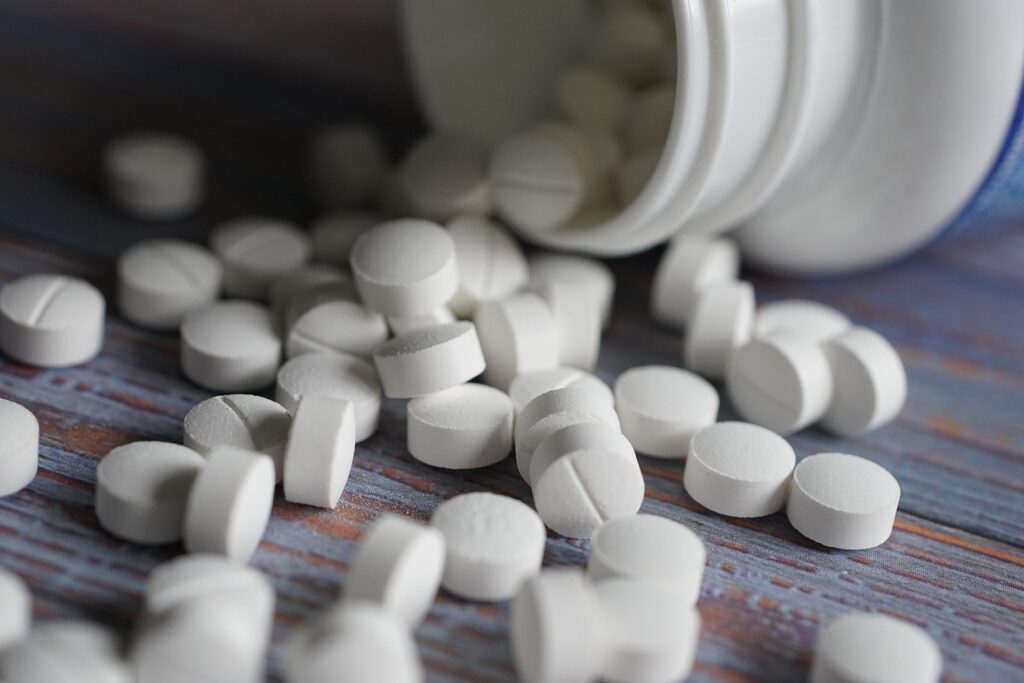
If you take levothyroxine but still have symptoms, you may have heard about natural desiccated thyroid (NDT), sometimes called desiccated thyroid extract or DTE.
Medications such as Armour Thyroid and NP Thyroid are made from animal thyroid tissue, usually porcine thyroid, and contain both thyroxine (T4) and triiodothyronine (T3).
Some patients prefer this type of medication. But “natural” does not automatically mean safer, better, or more physiologic for every person. Understanding the differences matters.
How Is NDT Different From Levothyroxine?
Levothyroxine contains synthetic T4 and is the standard first-line treatment for primary hypothyroidism. The body converts T4 into the active thyroid hormone T3 in tissues as needed.
Natural desiccated thyroid contains both T4 and T3. The T4-to-T3 ratio in porcine thyroid is different from the ratio produced by a human thyroid, so NDT can produce proportionally higher T3 exposure.
This is one reason dosing and monitoring deserve careful attention.
Why Do Some Patients Ask About T3-Containing Therapy?
A subset of people taking levothyroxine continue to report fatigue, cognitive symptoms, low mood, or other complaints despite having a TSH within the reference range.
That experience is real, but persistent symptoms do not automatically prove that poor T4-to-T3 conversion is the cause. Iron deficiency, sleep problems, menopause, medication effects, depression, metabolic disease, gastrointestinal conditions, and other issues can produce similar symptoms.
Before changing thyroid preparations, it makes sense to confirm the diagnosis, review the levothyroxine dose and administration, and look for other plausible contributors.
What Does the Evidence Say?
Major professional guidelines continue to recommend levothyroxine as the preferred initial treatment for primary hypothyroidism. Clinical studies have not shown a consistent overall advantage of desiccated thyroid over levothyroxine for the general hypothyroid population.
At the same time, individual patient preference and symptom response can vary. A treatment discussion should therefore include the limitations of the evidence, the patient’s history, and the risks of excess thyroid hormone.
Important U.S. Regulatory Update
Animal-derived thyroid medications such as Armour Thyroid and NP Thyroid have historically been marketed in the United States without FDA approval under the modern drug-approval process.
The FDA has recently taken additional action regarding unapproved animal-derived thyroid products and has raised concerns about consistency, potency, impurities, and manufacturing quality. The regulatory situation is evolving, so patients taking these medications should avoid making abrupt changes on their own and should discuss availability and alternatives with their prescribing clinician.
What Are the Risks of Too Much Thyroid Hormone?
Whether thyroid hormone comes from levothyroxine, liothyronine, or NDT, excessive dosing can cause hyperthyroid symptoms such as:
- Palpitations or rapid heart rate
- Tremor
- Anxiety or feeling overstimulated
- Insomnia
- Heat intolerance
- Unintended weight loss
Long-term overtreatment can also raise concerns about cardiac rhythm problems and bone loss. That is why treatment should not be adjusted simply to chase energy or weight loss.
Learn more about how Sprouts Health approaches thyroid symptoms, low ferritin, nutrient concerns, and digestive health with focused, personalized care.
Explore Gut + Thyroid HealthWhat Should Be Reviewed Before Switching Thyroid Medication?
- Your original thyroid diagnosis
- Your current medication and dose
- Your TSH and free T4 pattern
- Whether Hashimoto’s or another thyroid condition is present
- How and when you take your medication
- Iron, calcium, supplements, or medications that may interfere with absorption
- Whether persistent symptoms could have another explanation
- Your cardiovascular, bone, pregnancy, and other relevant risk factors
What About Synthetic T4 + T3?
For selected patients, clinicians may discuss synthetic T4 plus T3 rather than NDT. Routine combination therapy is not recommended for everyone because trials have not demonstrated consistent benefit over levothyroxine alone and long-term risks remain an important consideration.
The point is not that one formulation is universally “best.” The point is to choose the safest and most appropriate treatment for the individual patient and monitor it appropriately.
NDT is a real prescription thyroid-hormone option that some patients use, but it should not be marketed as a guaranteed solution for fatigue, weight gain, hair loss, or persistent symptoms.
If you still feel hypothyroid on your current medication, the first step is a careful review of the diagnosis, dose, labs, medication absorption, and other conditions that could be contributing. Then the medication options can be discussed with appropriate context.
Start with a Hormone & Gut Clarity Session to review your symptoms, history, previous testing, and the most important next steps for your care.
Book Your Clarity SessionReferences
- U.S. Food and Drug Administration. FDA’s Actions to Address Unapproved Thyroid Medications.
- American Thyroid Association. Statement on Desiccated Thyroid Extract.
- National Institute for Health and Care Excellence (NICE). Thyroid disease: assessment and management.